The Challenge
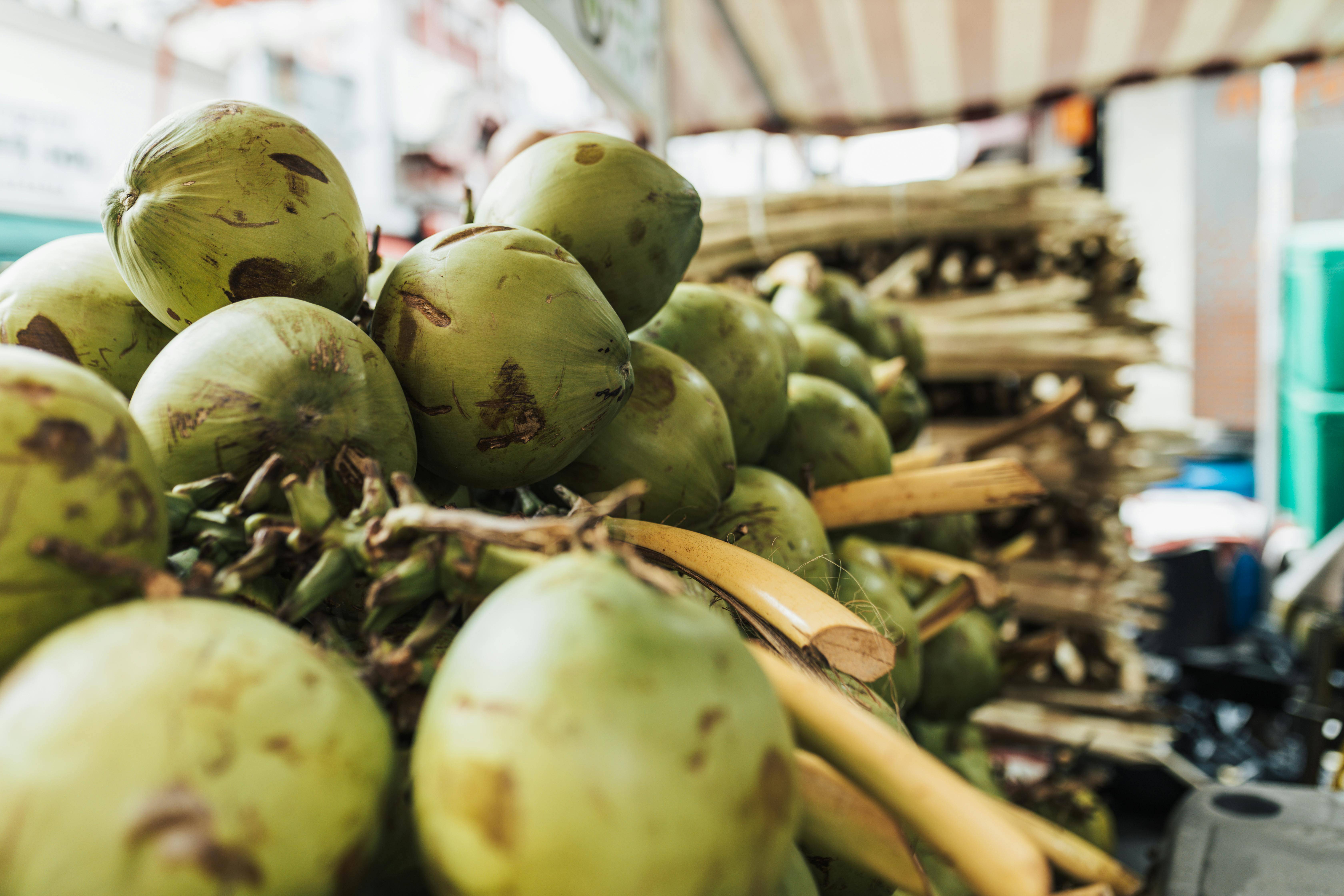
Maguindanao is the third-largest coconut producing region in the Philippines, primarily composed of small-scale farmers who rely on basic cropping and processing methods. The traditional practices hinder both the quality of the final products and the sustainable management of production processes, particularly in certain areas of the value chain. Challenges include the reliance on fossil fuel-powered machinery, environmentally harmful charcoal production, and plastic packaging, as well as, to a lesser extent, the use of chemical fertilisers. Despite the extensive versatility of coconut, which has the potential to integrate full circularity though the production of coco husk, coco coir and coco pit, farmers' limited access to training, credit and equipment, result in an inefficient use of resources and waste generation that could otherwise be integrated into the value chain, while only low-value derivatives are extracted.
This project targets the key factors essential for achieving both profitability and sustainability in coconut production. It emphasises the modernisation of value-chain segments by transitioning to low-carbon, circular, and resource-efficient practices while actively engaging the community in environmentally protective activities. A crucial aspect of the project is strengthening the organisational management of producers’ associations and cooperatives. This involves reinforcing their structure, fostering a strategic business and environmental vision, and promoting greater participation of women in decision-making processes. Additionally, the initiative seeks to enhance linkages between producers, customers, and financial institutions, facilitating improved access to credit services to support investment and growth.
The Objectives
The strategy of this project is built around two specific objectives: Supporting Micro, Small, and Medium-sized Enterprises (MSMEs) in the coconut sector to minimise the environmental impact of key segments of their value chain. This will be achieved by engaging local communities and increasing women’s participation; secondly, strengthening functional connections among key stakeholders to improve access to fair financial services that support the growth of sustainable, green economic initiatives. Both objectives contribute to the broader goal of fostering more inclusive and sustainable local economies by promoting low-carbon, resource-efficient, and circular economy-oriented value chains in the Philippines.
The Way Forward
- MSMEs adopt innovative green, sustainable and circular solutions in specific segments of the coconut production value-chain (from cultivation to processing and sale/farm to fork), with the side involvement of the community.
- MSMEs incomes have increased, by improving quality of final products, reducing costs through resources efficiency and enhancing market strategies.
- Access to green finance opportunities for MSMEs is enhanced through the elaboration and dissemination of replicable and bankable business case.
- A conducive environment for sustainable, green financing is established through multi-stakeholder dialogue involving customers, finance institutions, policymakers, businesses and industry partners.
Relation to European Green Deal, Circular Economy and Climate Change
This initiative aligns with key directives of the European Green Deal, particularly the Farm to Fork Strategy, the Circular Economy Action Plan, and the Packaging and Packaging Waste Directive. By promoting sustainable coconut production through low-carbon, resource-efficient, and circular economy-oriented practices, the project directly contributes to the EU’s broader climate and environmental goals. Furthermore, the initiative supports priorities outlined in the EU-ASEAN Partnership Plan of Action 2023-2027, particularly by: Strengthening Micro, Small, and Medium-sized Enterprises (MSMEs) to enhance their resilience and sustainability. Cooperating in the development of fair, sustainable, healthy, and environmentally friendly food systems. Promoting circular economy principles and Sustainable Consumption and Production (SCP) models through experience-sharing, best practices, knowledge management, and stakeholder engagement. Supporting capacity-building and technical assistance while raising public awareness on sustainable measures across the entire product life cycle. By addressing these priorities, the project contributes to the EU’s commitment to tackling climate change and fostering sustainable economic development.