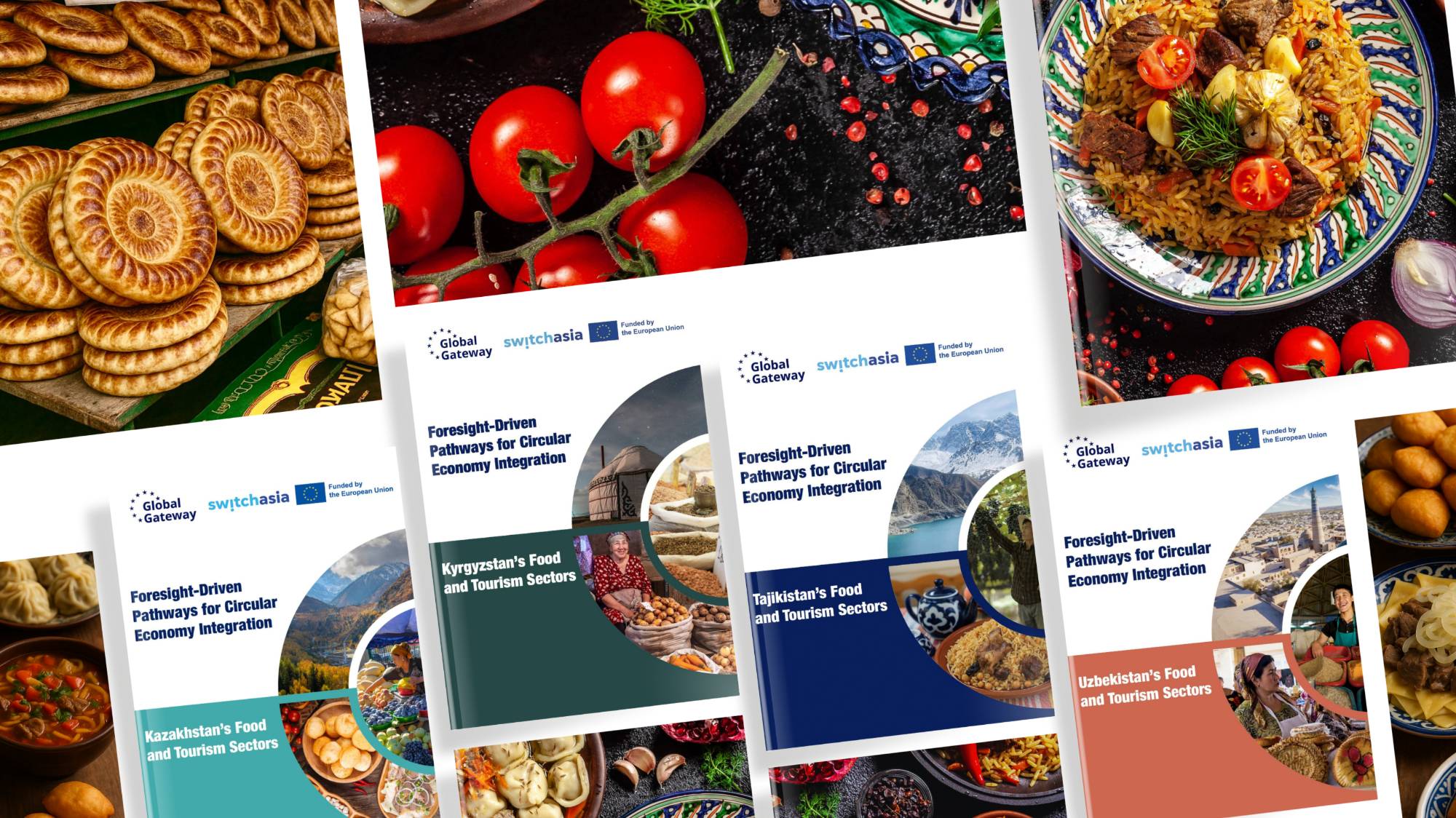
The integration of food systems into the tourism sector is a cornerstone of the Circular Economy (CE), as food and beverages represent one of the highest resource-consuming and waste-generating segments of the hospitality industry. Transitioning to a circular model is essential for reducing the environmental footprint of tourism, ensuring long-term economic resilience, and protecting the natural and cultural heritage that attracts visitors to the region. By closing material and energy loops—through local sourcing, food waste reduction, and regenerative practices—Central Asian nations can transform environmental challenges into competitive market advantages.
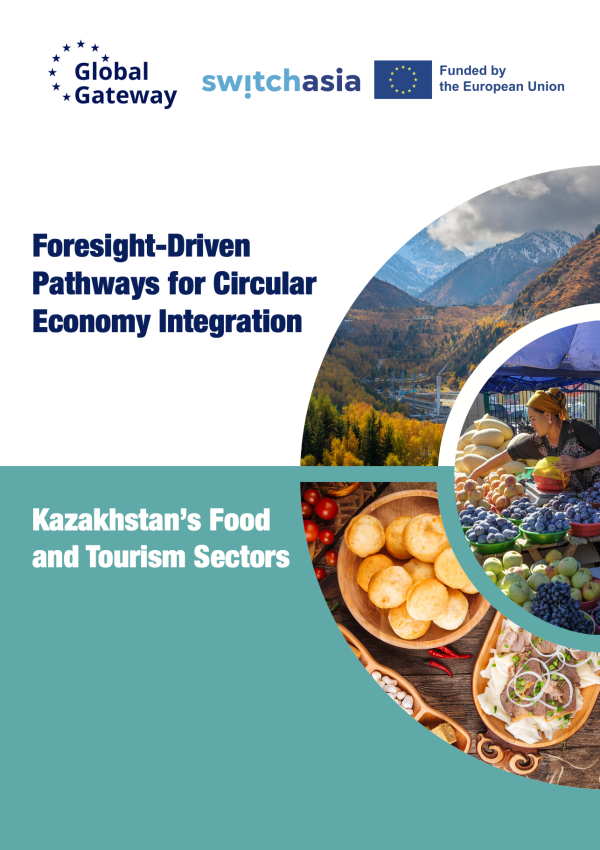
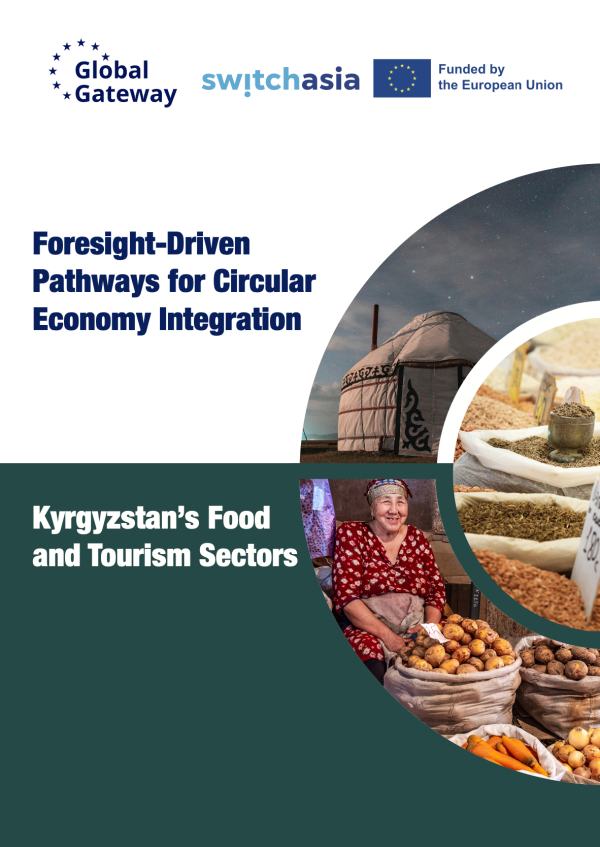
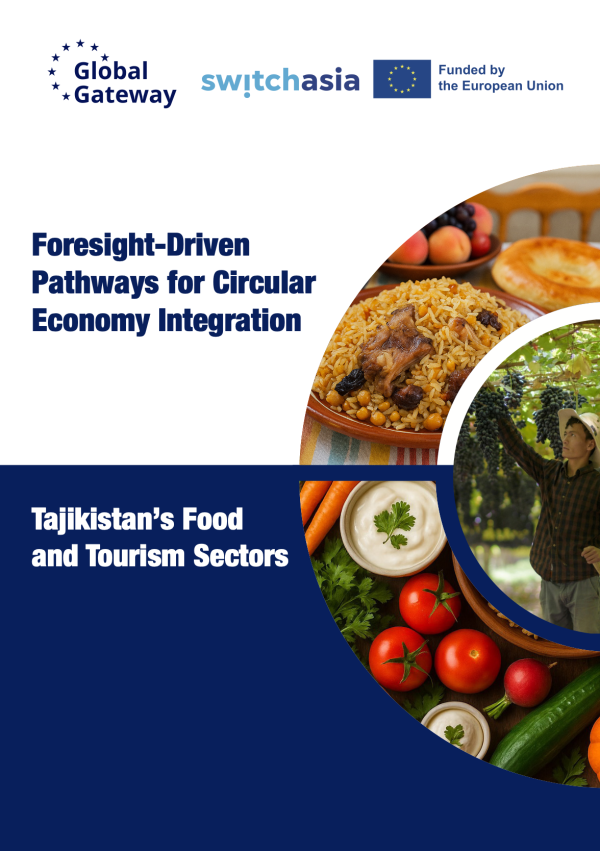
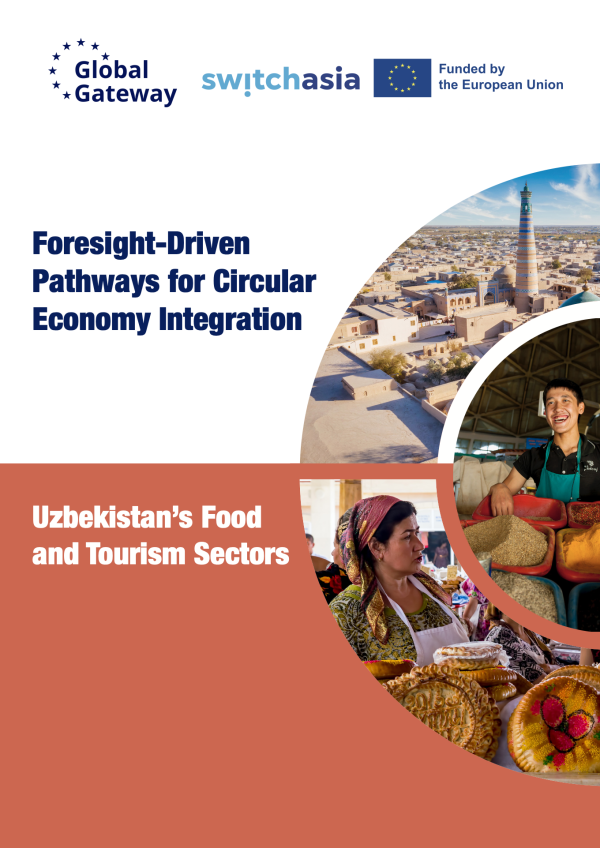
To address these challenges, the EU SWITCH-Asia Programme has released four pivotal reports exploring circular economy integration in the food and tourism sectors of Kazakhstan, Kyrgyzstan, Tajikistan, and Uzbekistan.
The Reporting Process: A Strategic Foresight Approach
These reports were developed through a rigorous, multi-layered methodology designed to foster cross-sectoral collaboration and long-term planning. The process began with extensive data collection, including literature reviews of national policies and over 60 targeted interviews with stakeholders from government, private industry, and academia across the region. This was followed by a series of two-day practical foresight workshops held in each of the four republics. During these sessions, participants used "horizon scanning" to identify emerging trends and "signals of innovation". These workshops culminated in the development of scenario matrices to model alternative futures for 2040, ultimately defining a "preferred future" that guided the final policy recommendations.
A Regional Vision for 2040
A shared regional vision emerged from these workshops: a tourism sector that serves as an innovation-driven pillar of the national economy while prioritizing environmental stewardship. Kyrgyzstan’s stakeholders rallied around the scenario "Find Your Place in the Nomad Culture," which emphasizes sustainable tourism rooted in cultural identity and local resource cycles. In Tajikistan, the process confirmed aspirations for an inclusive, low-impact tourism sector that utilizes the circular economy as a bridge between tourism, agriculture, and energy policy. Kazakhstan aims to position itself as a regional hub for ecotourism by leveraging green investment and strict environmental standards, while Uzbekistan envisions a future where high investment activity and healthy ecology drive circular practices across the entire hospitality chain.
Key Insights by Country
The reports identify specific entry points and practical progress within each nation.
- In Tajikistan, circular principles are visible through renewable energy adoption by community-based tourism (CBT) providers and local sourcing by hospitality leaders like the Rumi Hotel and Greenhouse Hostel.
-
Kyrgyzstan shows strong community-led momentum, with the Karakol Destination Management Organization (DMO) and the Kyrgyz CBT Association (KCBTA) driving progress in eco-sanitation and organic composting.
-
Uzbekistan is making institutional strides through the "Yashil Belgi" (Green Mark) eco-labeling system and a focus on "eco-design" in infrastructure to reduce food waste.
-
Meanwhile, Kazakhstan is seeing a blend of international chains implementing waste sorting and local operators, such as Discover Almaty, replacing single-use plastics with artisanal materials.
The Path Forward: Strategic Recommendations
To accelerate these transitions, the reports recommend that Central Asian nations establish comprehensive national frameworks for circular tourism to harmonize fragmented policies across the energy, agriculture, and tourism sectors. Governments should introduce "light" or phased certification schemes specifically tailored for small and medium enterprises (SMEs) and family producers to reduce the technical and financial barriers to entering sustainable markets. Additionally, providing fiscal incentives, such as tax breaks or the creation of a dedicated Green Tourism Investment Fund, will be essential to help local businesses overcome the high initial costs of sustainable infrastructure and renewable energy adoption. Finally, the development of digital platforms for tracking sustainable food supply chains and the promotion of agrotourism—such as demonstration gardens and "popular food routes"—will ensure that circular growth remains inclusive and provides tangible benefits to rural communities.
Download the Full Reports:
- Kazakhstan (English): https://www.switch-asia.eu/resource/foresight-driven-pathways-for-circular-economy-integration-kazakhstans-food-and-tourism-sectors/
- Kazakhstan (Russian): https://www.switch-asia.eu/resource/strategicheskoe-prognozirovanie-dlia-tcirkuliarnoi-ekonomiki-v-sektore-turizma-i-gostepriimstva-s-aktcentom-na-prodovol-stvie/
- Kyrgyzstan (English): https://www.switch-asia.eu/resource/foresight-driven-pathways-for-circular-economy-integration-kyrgyzstans-food-and-tourism-sectors/
- Kyrgyzstan (Russian): https://www.switch-asia.eu/resource/strategicheskii-forsait-dlia-tcirkuliarnoi-ekonomiki-v-sfere-turizma-i-gostepriimstva-s-aktcentom-na-prodovol-stvennyi-sektor-v/
- Uzbekistan (English): https://www.switch-asia.eu/resource/foresight-driven-pathways-for-circular-economy-integration-uzbekistans-food-and-tourism-sectors/
- Uzbekistan (Russian): https://www.switch-asia.eu/resource/puti-integratcii-tcirkuliarnoi-ekonomiki-vyiavlennye-forsait-planirovaniem-v-prodovol-stvennoi-i-turisticheskoi-otrasliakh/
- Uzbekistan (Uzbek): https://www.switch-asia.eu/resource/zbekistonning-ozi-ov-at-va-turizm-so-alarida-forsait-or-ali-ani-langan-ailanma-i-tisodietni-integratciialash-i-llari/
- Tajikistan (English): https://www.switch-asia.eu/our-work/multi-country/strategic-foresight-for-tourism-with-a-food-angle-in-central-asia/
- Tajikistan (Russian): https://www.switch-asia.eu/resource/tadzhikistana-strategicheskii-forsait-dlia-tcirkuliarnoi-ekonomiki-v-sfere-turizma-i-gostepriimstva-s-aktcentom-na-prodovol/
- Tajikistan (Tajik): Роҳҳои ҳамгирошавӣ ба иқтисоди даврӣ дар асоси пешгӯиҳо - Бахшҳои хӯрокворӣ ва сайёҳии Тоҷикистон › | SWITCH-Asia
Contact:
For more information on EU SWITCH-Asia activities in Tourism in Central Asia, contact:
Ms. Elodie Maria-Sube, EU Policy Development and Stakeholder Engagement Expert, SWITCH-Asia Policy Support Component, [email protected].
Learn more here.