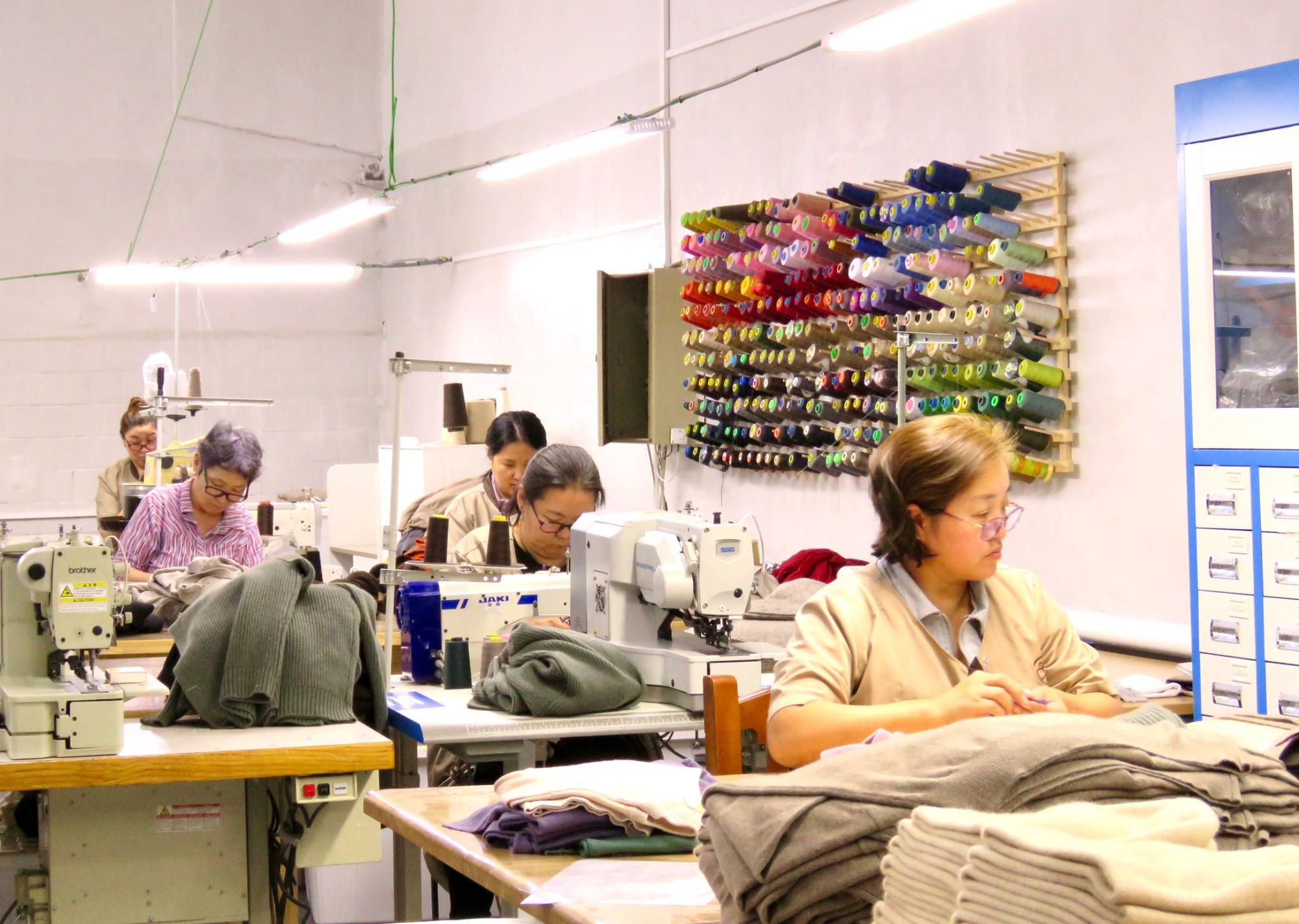
Mongolia’s cashmere sector, the second largest cashmere supplier in the world, stands at a critical turning point in its transition toward environmental sustainability. The Government of Mongolia has launched initiatives, such as the White Gold Project, which aim to enhance climate-resilient production, improve traceability, and implement eco-friendly processing methods. However, many factories remain hindered by a fundamental barrier: they simply do not know where their greenhouse gas emissions come from or how much they emit in the first place. Without this information, setting reduction targets or investing in the right solutions is nearly impossible.
To resolve this demanding issue, the STeP EcoLab II: Sustainable Textile Production and Eco-Labelling in Mongolia project, funded by the European Union under its SWITCH-Asia programme, has launched a pioneering initiative to execute Greenhouse Gas (GHG) Accounting on Mongolia’s wool and cashmere processing sector. GHG accounting provides the foundational data that factories need to calculate their emissions, meet international standards, and align with the evolving expectations of global customers.
Through the project, two leading cashmere factories successfully measured their Scope 1 and Scope 2 emissions of 2024 in accordance with the GHG Protocol, marking a significant milestone in the industry’s journey toward sustainable consumption and production.
Unlocking insights into organizational emissions
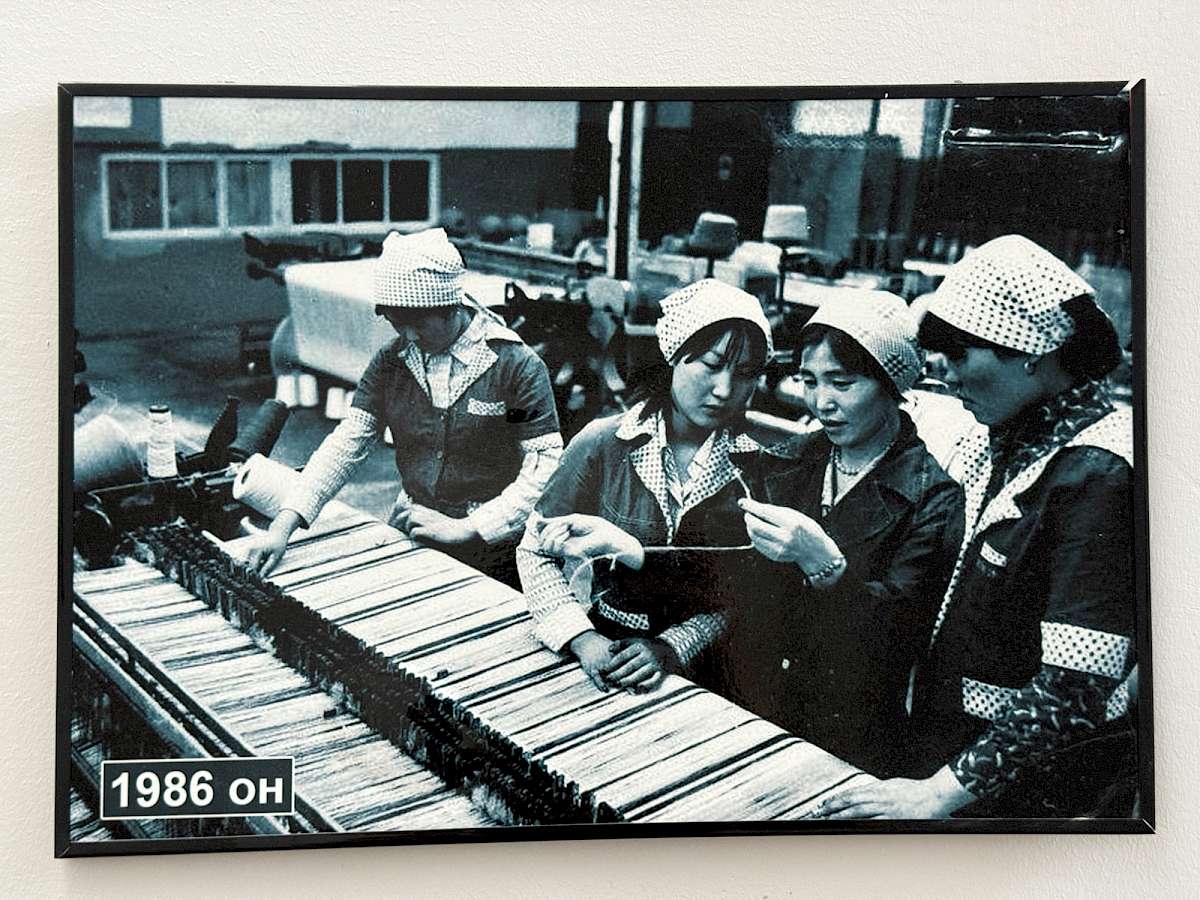

Established in 1934, Mongol Textile JSC is one of Mongolia’s oldest cashmere producers. With operations ranging from spinning to knitting, its activities heavily rely on electricity-powered machinery. Thus, one would expect electricity consumption to be their dominant source of emissions. However, GHG accounting calculations revealed a different story.
“Heating turned out to be the primary emission source of our factory,” Enkhjin Enkhtaivan, Deputy Director of Mongol Textile JSC, recalled. In fact, heating-related emissions represented nearly 73% of their total emissions, an unexpectedly high number. This insight highlighted a long-standing but unquantified challenge: heat loss. “Our factory building is almost 80 years old and has tall ceilings. [Now that heat loss is confirmed as the main emission source], we are starting to develop changes in the building infrastructure.”
For Mongol Textile, this discovery served as a fundamental driver of their sustainability strategy. They now have clear evidence that reducing heat loss would generate the largest impact.
From hesitation to clarification
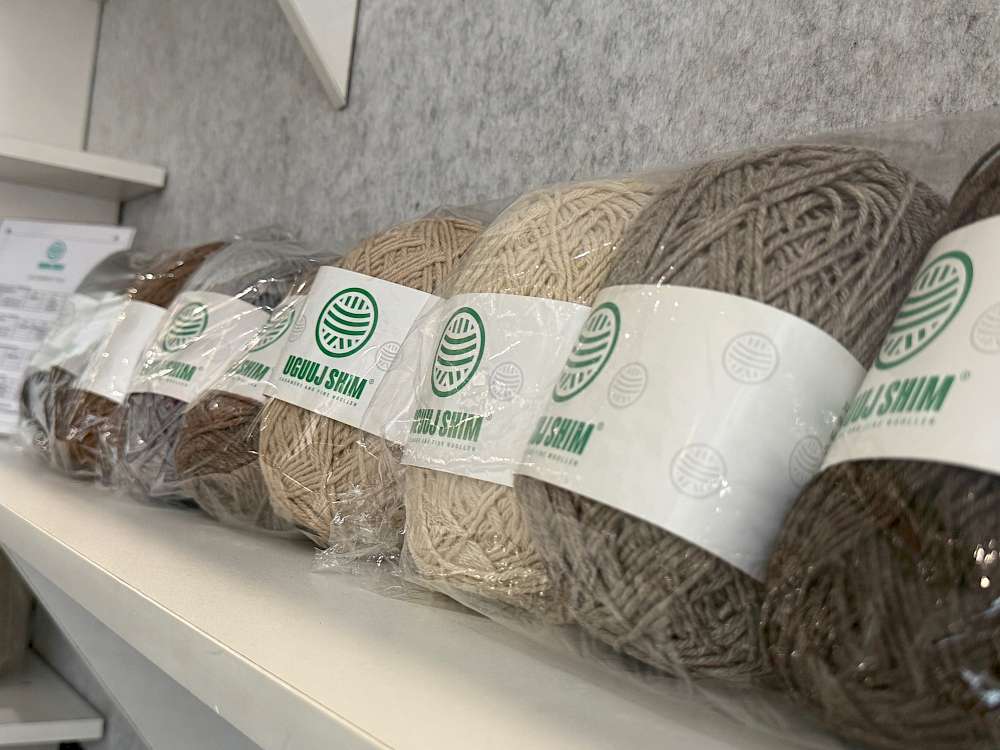
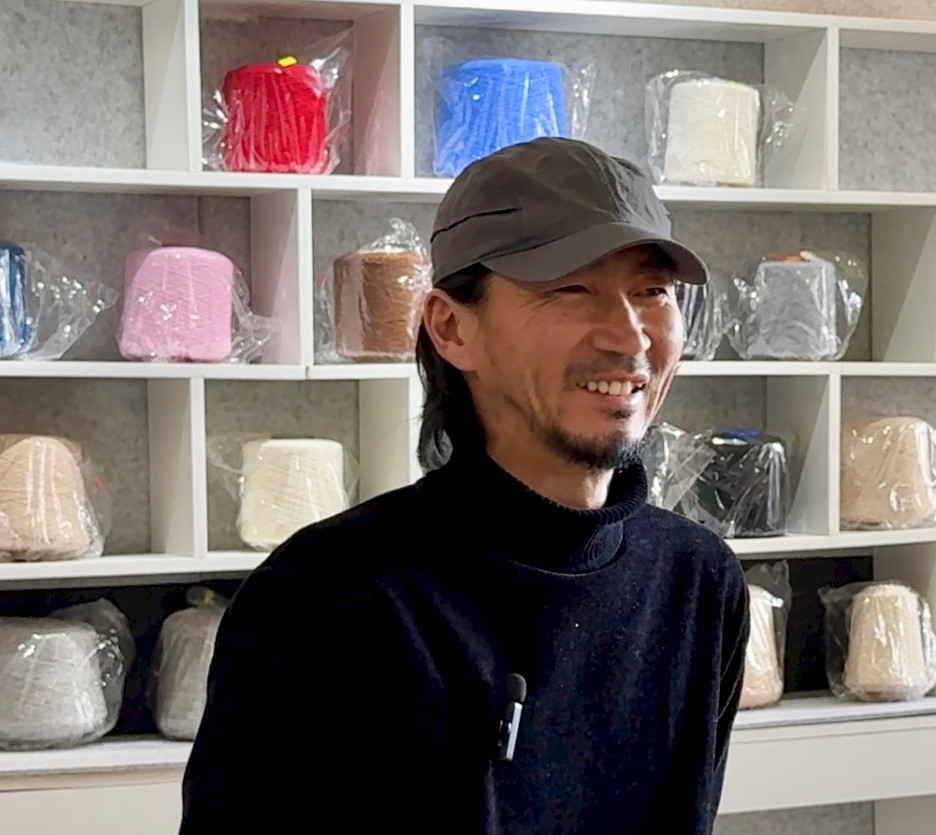
The second participating factory, Uguuj Shim LLC, is located on the outskirts of Ulaanbaatar, where access to central heating is limited. As a dehairing facility that relies on a coal-powered system for heating, the team suspected combustion to be their highest emission source. Again, the results were surprising. GHG accounting revealed that electricity, not stationary combustion of coal, contributed the most to their emissions profile.
“We were planning on transitioning to renewable energy for the lighting of our factory,” Batzaya Buyanjargal, Project Manager of Uguuj Shim LLC, noted. “Now, we have confirmation that we’re on the right path.” Their experience illustrates how GHG accounting can validate strategies and guide factories toward the most impactful reduction measures.
Executing GHG accounting
GHG accounting is not as complex as many factories assume. With structured support and proper documentation, it becomes a straightforward and impactful process. Demonstrating this, URECA LLC worked directly with the two factories to carry out GHG accounting in three main steps:
1. Data collection
Factories gathered all available data related to Scope 1 and Scope 2 emissions.
“Scope 1 refers to direct emissions by the factory, such as emissions from its coal-powered stove. In contrast, Scope 2 includes indirect emissions associated with purchased heat, electricity, and steam.”
– Bat-Erdene Erdenebayar, Carbon Specialist at URECA LLC
2. Inventory development
URECA provided a customized Excel tool to help factories organize their data effectively. “Once we learned what data was required, creating an inventory was easy, since we kept our operational data organized,” Batzaya said. “It’s not challenging, as long as the factories have been meticulously monitoring their consumption and documenting relevant data.”
3. Calculation and Verification
The last step is to calculate the emission values based on the inventory data. While this stage involves advanced formulas and can benefit from expert support, organizations can eventually perform it independently after training. This step-by-step approach demonstrated that GHG accounting is feasible for any producer with organized documentation of their operations and determination to understand their environmental footprint.
Individual efforts, shared outcome
There are over 500 registered cashmere producers in Mongolia. If each one adopts GHG accounting, the sector can collectively achieve meaningful progress toward sustainable production.
As Enkhjin emphasized, “Conducting GHG accounting across the sector and the country will help us understand where to start.” For Mongol Textile, the starting point is clear: improve insulation and upgrade the factory’s infrastructure to reduce heat loss. For Uguuj Shim, the priority is transitioning to renewable energy for lighting and improving electricity efficiency. These clear measures, backed by data and validation, demonstrate the immediate value of GHG accounting and how it can catalyze long-term change.
Results and their implications
The pilot calculations highlighted that electricity consumption is the major emission source for both factories. This indicates that inefficient consumption of electricity is likely a pressing issue across the sector, shedding light on what the next efforts should be. Investments in energy-efficient machinery, installation of variable speed drives*, and clean energy generation or procurement would likely yield significant emission reductions across Mongolia’s cashmere sector.
Other significant emission contributors were consumption of purchased heat and steam, as well as stationary combustion of fossil fuels. These findings pave the way for more informed decisions by producers and policymakers when determining priority actions for the cashmere sector.
*Variable Speed Drive (VSD) is an electronic device that controls an electric motor's speed and torque to match the actual process demand, saving significant energy.
Clearing the path toward valuable rewards
“Participating in the project has been rewarding.”
– Enkhjin Enkhtaivan, Deputy Director of Mongol Textile JSC
The significance of GHG accounting does not end only with emissions reduction strategies. Reflecting on his experience, Batzaya shared, “GHG accounting will enable Mongolian manufacturers to meet international standards, increase the chances to export their products, increase product values, and showcase our competency in the international market.” He emphasized that these are the rewards for executing GHG accounting with an initial objective to protect the environment.
For Mongol Textile and Uguuj Shim, benefiting from these rewards are within reach. Through STeP EcoLab II, they have demonstrated that GHG accounting will accelerate Mongolia’s transition to a low carbon, resource-efficient and circular economy. Their experience proves that although GHG accounting is new to Mongolia’s textile sector, it is achievable with accurate documentation and determination to reduce emissions.
As Batzaya emphasized, “Mongolia’s textile sector is well-equipped with various skills and capacities. Let’s all put in more effort!”
Looking ahead
The pioneering cases of GHG accounting in the cashmere sector has generated the first quantified insights into the carbon intensity of cashmere processing in Mongolia. These findings establish an important baseline for understanding where emissions are concentrated along the value chain, revealing benchmark emissions of around 3 kg CO2 per kilogram of output at a dehairing plant and 57 kg CO2 per kilogram of output at an integrated factory that executes spinning, dyeing, knitting, and weaving.
Building on this foundation, the STeP EcoLab II project plans to support an additional 30 factories in implementing GHG accounting and achieving emission reductions of at least 10 percent in the near term. What began as a pilot initiative can thus catalyze the transition to sustainable consumption and production in Mongolia’s cashmere sector.