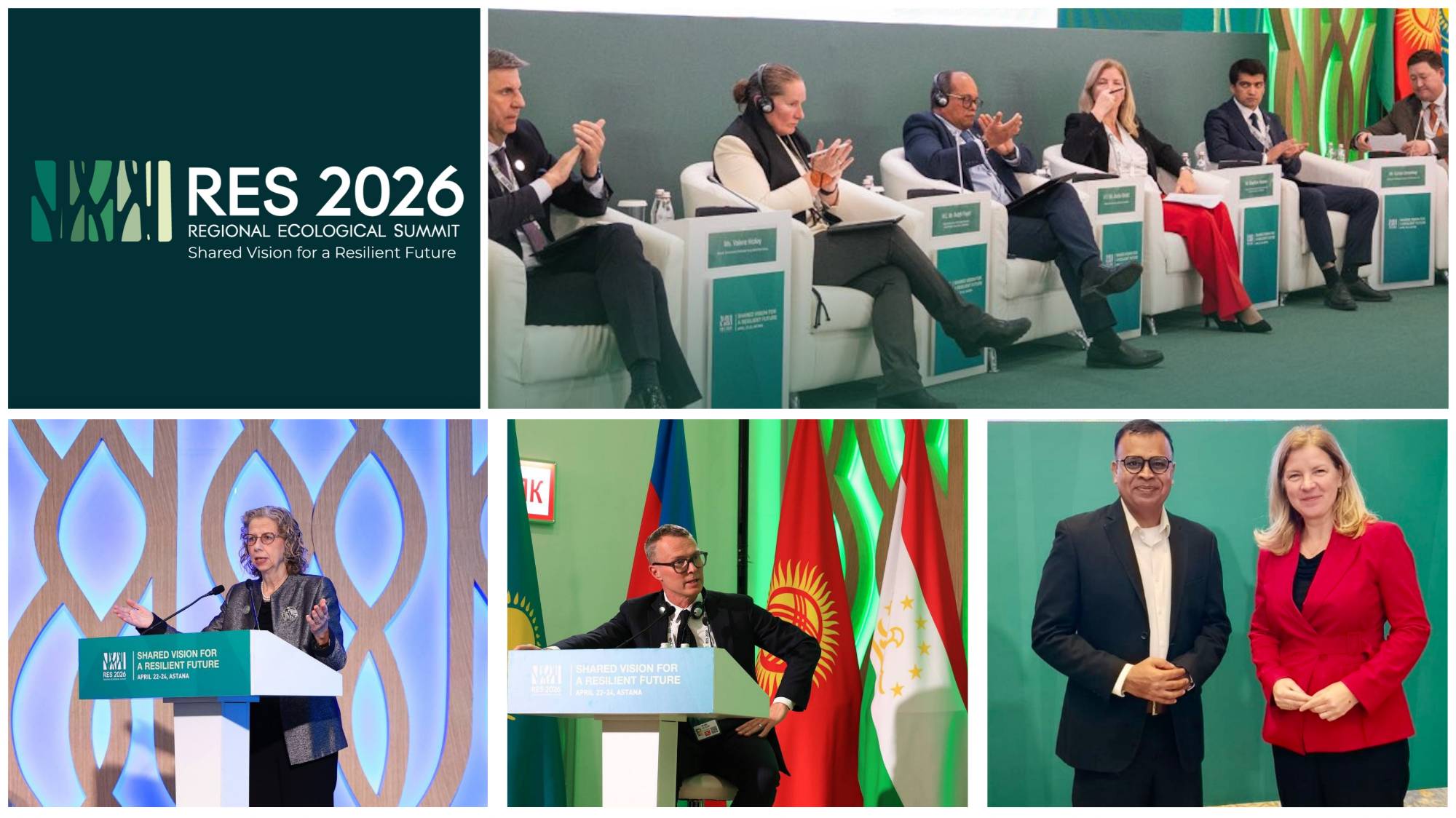
When ministers and ambassadors gathered in Astana, Kazakhstan's capital on 22-24 April 2026 for the Regional Ecological Summit 2026, the goal was ambitious: to move beyond pledges and produce a binding blueprint for environmental transformation across one of the world's most resource-intensive regions.
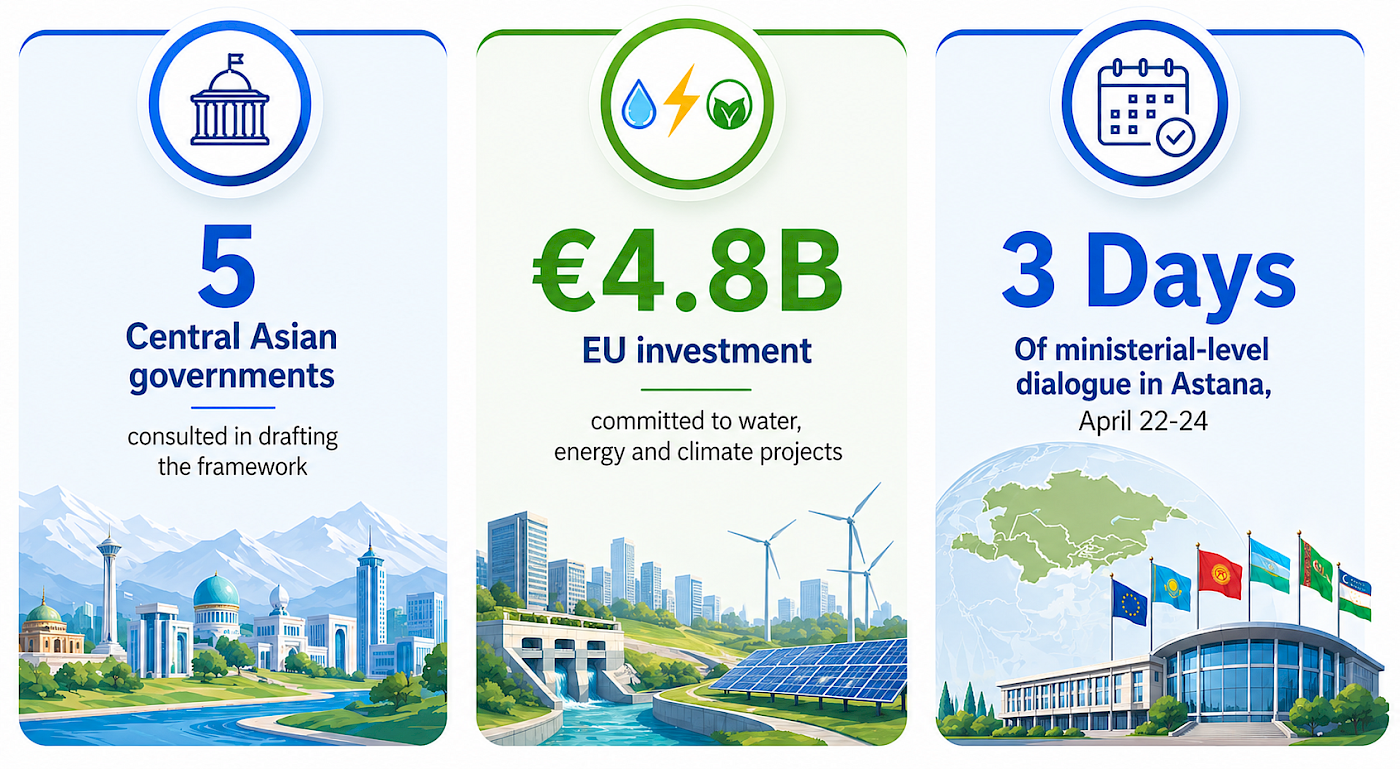
Under the theme “One Region, One Vision, One Future,” the three-day summit achieved what many observers called a historic milestone, namely, the formal launch of the Central Asia Circular Economy Partnership Framework, a tool developed by the EU SWITCH-Asia Programme in consultation with governments, national stakeholders, and international development partners.
The Framework: A Practical Roadmap, Not Just Another Declaration
The new Partnership Framework is designed as an operational instrument. It aims to harmonise regional policy approaches, set favourable conditions for investment, and facilitate the exchange of best practices between countries that share borders, waterways, and increasingly, ecological pressures.
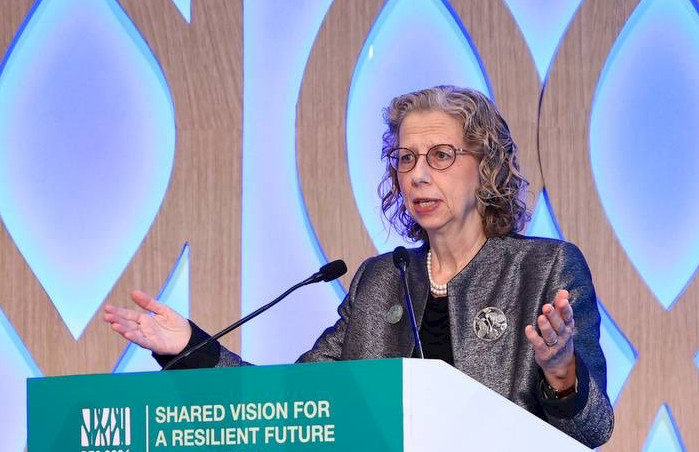
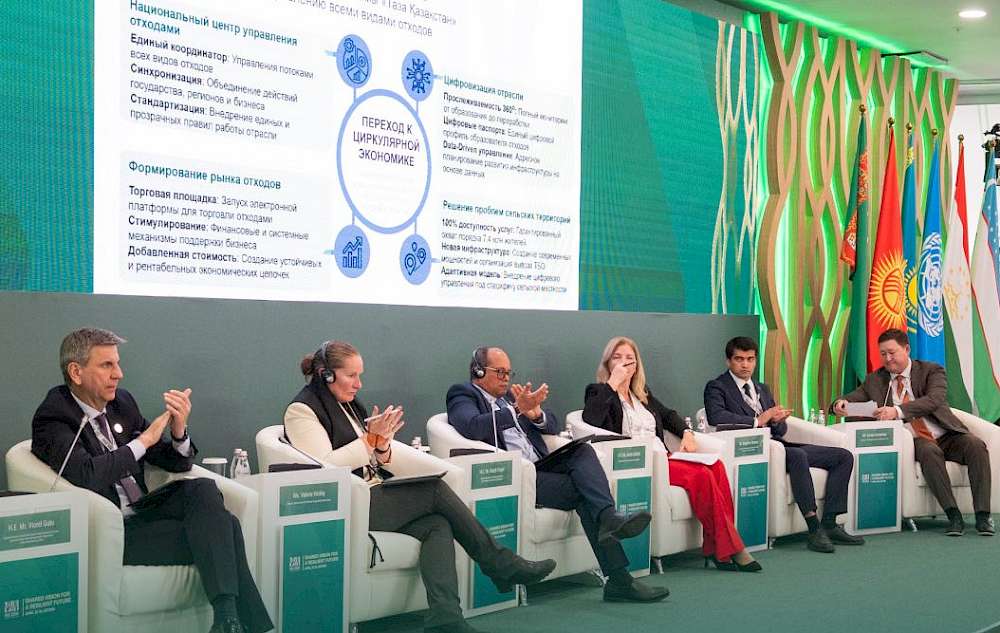
The launch was attended by ministers from across Central Asia, alongside the EU Ambassador to Kazakhstan, H.E. Aleška Simkić, and representatives from UNEP, the World Bank, and the FAO, a signal of the broad international confidence underpinning the initiative.
Ambassador Simkić explained that the European Union's role is not to prescribe solutions, but to lead by example, sharing hard-won lessons from its own pursuit of climate neutrality by 2050. She continued:
Materials, products, energy flow across national borders. The transition to a circular economy requires shared direction, coherence, and trust across countries. The European Union is proud to support the Central Asia Circular Economy Partnership Framework. Developed with support of the EU SWITCH-Asia programme, this Framework will provide practical tools to connect policy-makers and businesses, and to create conditions for financing and investment to facilitate sustainable and scalable solutions for economic transformation.
Beyond Waste Management and Recycling: Rethinking the Entire Consumption and Production Chain
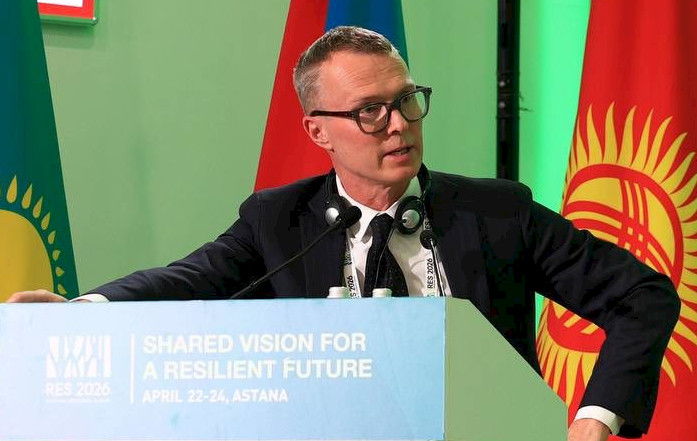
Central to SWITCH-Asia's contribution was a reframing of what the circular economy actually means. Mr. Ranga Pallawala, SWITCH-Asia expert on climate change policy and co-moderator of the ministerial dialogue, argued that circularity must begin far upstream, at the design phase of products, rather than being treated as a sophisticated waste management system.
Pallawala told delegates that circularity has very high potential to bring investments, promote green growth, mitigate climate change, and enhance resilience, positioning the circular economy as an economic development strategy as much as an environmental one.
Other Summit Sessions - Climate Finance, Green Technology, and the Water-Energy Nexus
- In the Climate Finance and Private Sector Session, SWITCH-Asia presented outcomes from its Technical Advisory work on integrating sustainable consumption and production into national climate strategies. The message was pointed: climate targets are linked with circular economy and, together, they have the potential to unlock further financing, facilitate market transformation and contribute to the green growth of the Region.
- At the GreenTech Connect forum, the programme turned attention to Best Available Technologies (BAT) - the industrial and process innovations that can make circular production commercially viable at scale. The central challenge, delegates heard, is not the technology itself but the enabling environment: policies, risk-sharing mechanisms, and investment signals that persuade industries to adopt cleaner methods.
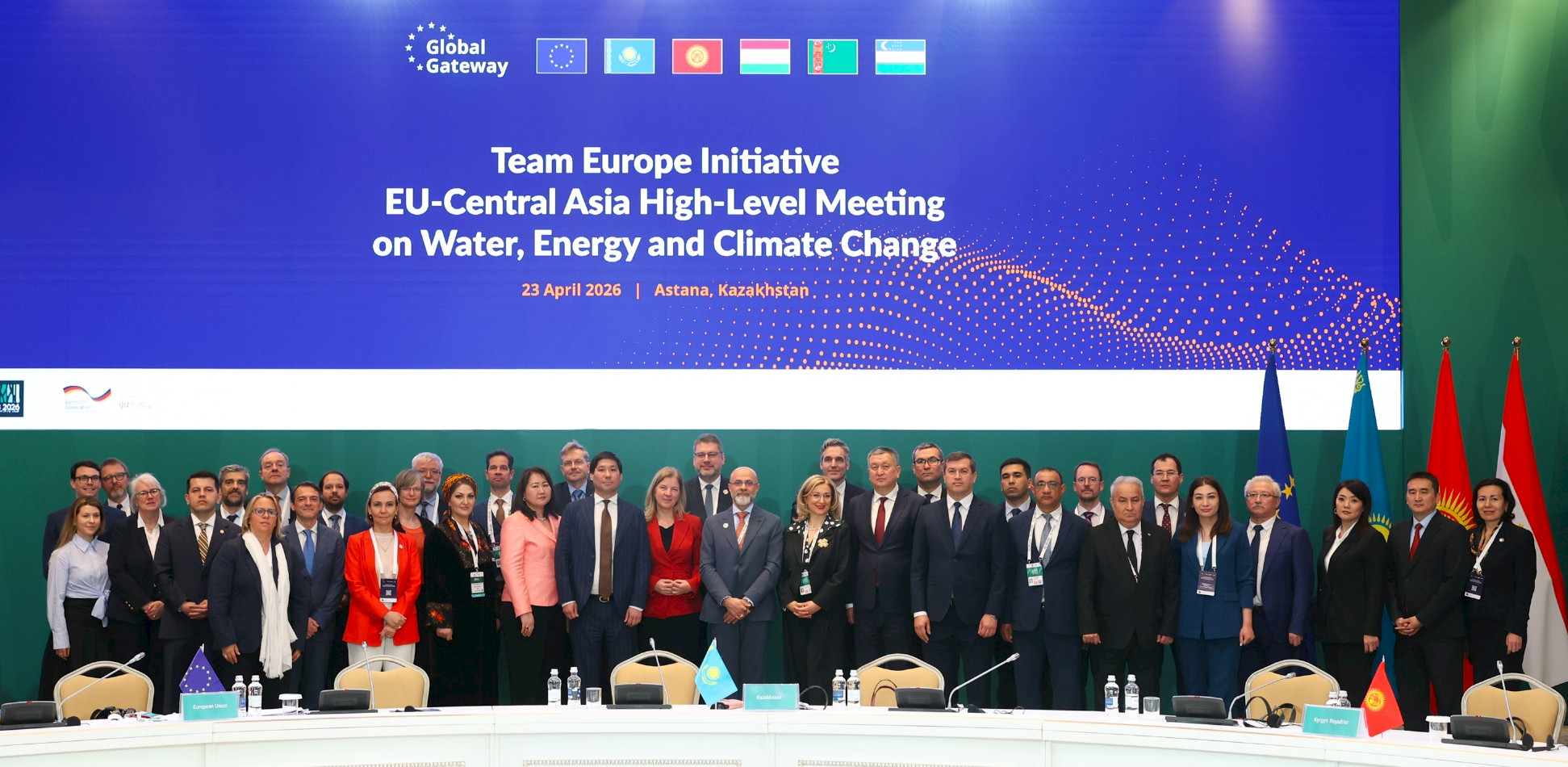
- The EU-Central Asia High-Level Meeting on Water, Energy and Climate Change was convened as part of the Team Europe Initiative on the sidelines of the RES26. With the EU committing up to €4.8 billion to concrete regional projects, the meeting reaffirmed that water security, the green energy transition, and climate resilience are inseparable challenges, and that no single country in the region can solve them unilaterally.
Looking Ahead
For Central Asia and its partners the Summit marks a transition from pilot work and strategizing to to implementation. The years of consultations, policy analyses, and stakeholder dialogues now have a Circular Economy Partnership Framework with political backing and regional and international partners’ commitment.
The summit concluded with a clear consensus: regional cooperation is the only path to overcoming shared challenges like waste growth and resource depletion. As noted by international observers, the leadership shown by the Central Asian nations, supported by the EU and UN partners, sets an example for the global community.
By fostering policy coherence and de-risking green investments, the EU SWITCH-Asia Programme continues to ensure that the "loop is closed" for a more sustainable and resilient Central Asia.
Watch the video here
Photo credits: Regional Ecological Summit 2026